
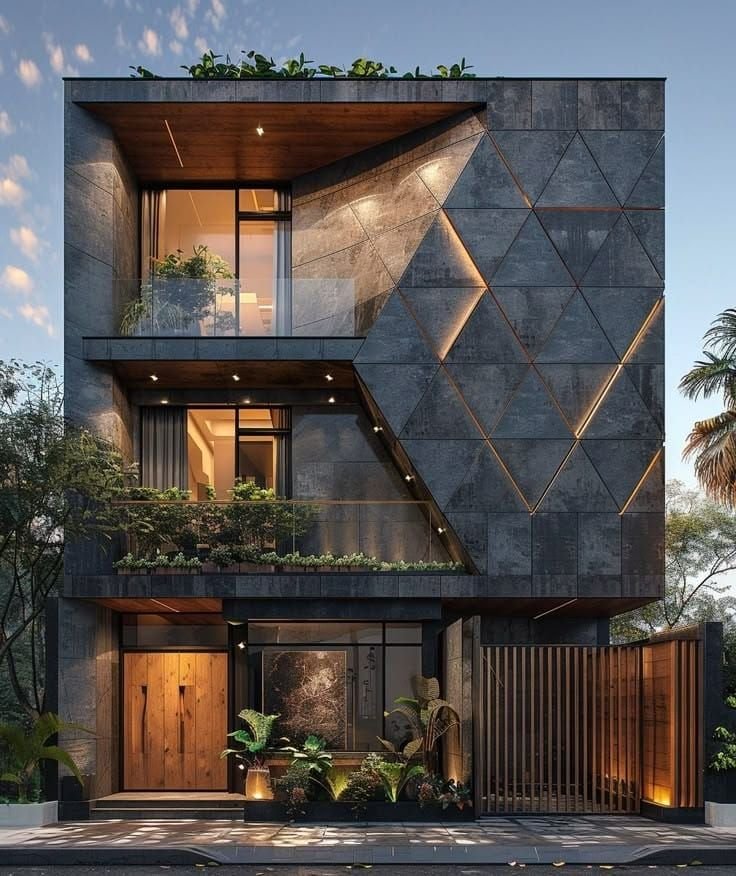
As Delhi, Gurgaon, and Noida face record-breaking summers in 2026, the traditional solution—simply turning up the air conditioning—is becoming a financial and environmental burden. For a common man, a house that feels like an oven by 2 PM isn’t just uncomfortable; it’s a design failure.
At Innovation Architects, we believe that a truly luxury home isn’t just about Italian marble; it’s about Thermal Comfort. By using “Passive Cooling”—the science of designing a building to cool itself naturally—you can reduce your AC dependency by up to 35%.
Here are five architectural secrets that you can implement in your new build or renovation to beat the NCR heat.
1. The “Cool Roof” Revolution: Fighting the 12 PM Sun
The roof is the most exposed part of any Delhi-NCR home. In a typical “Stilt + 4” floor building in Gurgaon or a standalone villa in South Delhi, the top floor often becomes uninhabitable because the concrete slab absorbs heat all day and radiates it down all night.
The Professional Secret:
Don’t just paint your roof white with local lime. In 2026, we use High-SRI (Solar Reflective Index) Coatings or Cool Roof Tiles.
How it works: These materials don’t just “look” white; they are engineered to reflect over 80% of solar radiation back into the sky.
The Result: While a standard concrete roof can reach 60°C, a cool roof stays closer to 40°C. This means your ceiling feels cool to the touch, and your AC reaches the desired temperature in half the time.
Action for the Common Man: If you are on a budget, use white broken-china mosaic (China-Thappa). If you want the best, invest in reflective ceramic tiles.
2. Modern “Jaalis”: The Natural Compressor
The Jaali (perforated screen) is a masterpiece of Indian heritage that architects are reviving in 2026 for its “Venturi Effect”.
The Professional Secret:
When air passes through a small opening and expands into a larger space, it naturally drops in temperature. It’s the same physics your mouth uses: try blowing air through a wide-open mouth (it’s warm) versus through pursed lips (it’s cool).
How it works: By installing a decorative GFRC (Glass Fiber Reinforced Concrete) or Terracotta Jaali on your west-facing balcony or staircase, you create a “thermal buffer”.
The Result: It breaks the glare of the sun while forcing a constant, cooled breeze into your living areas.
Action for the Common Man: Replace a solid wall on your balcony with a terracotta Jaali wall. It provides privacy, looks stunning, and acts as a natural air cooler.
3. Low-E Glass: The Invisible Heat Shield
In Noida’s high-rise apartments or Gurgaon’s modern glass-facade offices, “greenhouse effect” is the biggest enemy. Standard glass lets heat in but won’t let it out.
The Professional Secret:
Switch to Low-E (Low-Emissivity) Double Glazed Units (DGU).
How it works: This glass has a microscopically thin coating that reflects “Long-wave infrared” (heat) but allows “short-wave visible light” in. It’s like a one-way mirror for heat.
The Result: You get all the beautiful sunlight and NCR views without the “burning” sensation on your skin when standing near a window.
Action for the Common Man: If building new, insist on DGU windows with a thermal break. If you are in an existing apartment, apply a high-performance heat-reflective film to your current windows.
4. The “Stilt + 4” Stack Effect: Natural Air Suction
In Gurgaon’s narrow residential plots, houses are often sandwiched between neighbours, leaving no room for cross-ventilation. This leads to “trapped air”.
The Professional Secret:
Use the Stack Effect (Thermal Siphoning).
How it works: Hot air is lighter and always rises. By creating a small “cut-out” or atrium in the center of your house with a ventilated skylight (O.T.S) at the top, you create a chimney.
The Result: The hot air escapes through the top, naturally pulling in cooler air from the ground-level stilt parking or lower windows.
Action for the Common Man: Ensure your staircase has a ventilator or a “Whirlybird” fan at the top. This keeps the air moving and prevents the “suffocation” feeling on upper floors.
5. Biophilic Micro-Climates: Living Insulation
Biophilic design—incorporating nature into architecture—is the most beautiful way to cool a home in 2026.
The Professional Secret:
Plants aren’t just for decor; they are Evaporative Coolers.
How it works: Through a process called Transpiration, plants release moisture into the air. A balcony filled with lush greenery (like Areca Palms or Snake Plants) acts as a moist filter for incoming hot winds.
The Result: The air entering your home can be 3-5°C cooler than the air on the street.
Action for the Common Man: Create a “Green Buffer” on your south and west windows. Use vertical garden kits to cover sun-facing walls with creepers like Money Plants or Curtain Creepers.
Feature Standard NCR House Innovation Architects’ Passive House Roof Temp 55°C – 60°C 38°C – 42°C Inside Air Stagnant & Trapped Constantly Circulating AC Usage 12-18 Hours/Day 6-8 Hours/Day Visual Appeal Generic Concrete Green, Shaded, & Artistic Conclusion: Build for the Climate, Not Just the Look
The secret to a comfortable life in Delhi NCR isn’t a bigger AC—it’s a smarter house. By implementing even two of these secrets, you can transform your home from a heat-trap into a sanctuary.
At Innovation Architects, we specialize in merging these traditional cooling techniques with modern luxury aesthetics. Whether you are building in the bustling sectors of Gurgaon or the leafy lanes of South Delhi, we help you build a home that breathes.
Ready to make your home “Summer-Proof”?
Don’t wait for the next heatwave. Book a Thermal Audit & Design Consultation with Architect Rajni Arora today. We will analyze your plot’s sun-path and provide a customized cooling roadmap.
 Call Us: +91 92117 10650 WhatsApp for a Site Visit
 Call Us: +91 92117 10650
  WhatsApp for a Site Visit